
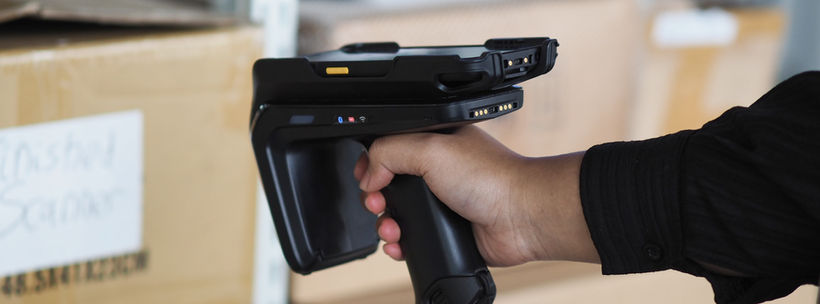


A Reader Can Read Tags, But That Does Not Mean the RFID System Is Working
In RFID implementation, one common misconception or mistake is assuming the system is already successful simply because an RFID reader can read UHF RFID tags. Technically, this condition does show that the reader is able to capture a response from the tag. However, in the context of business operations, this is still not enough to state that the RFID System is already working, because it does not yet have a tangible business and operational function. In other words, RFID impl
Jun 266 min read


Commonly Used UHF RFID Implementation Models: Gate, Shelf, and Conveyor
In UHF RFID implementation, the success of the system is not only determined by the tag, reader, and antenna, but also by how all these devices are applied according to the operational workflow in the field. This is important because the implementation model will affect the read area, read pattern, and the quality of data generated by the system. In general, the most frequently used examples of UHF RFID implementations are gate, shelf, and conveyor. A gate is used to read the
Apr 2910 min read


What Makes a Complete UHF RFID System? Fundamentals and Core Features From Tag to Application
In many implementations, RFID is often understood as a collection of devices like tags, antennas , and readers. However, in a business context, a UHF RFID system is called complete not because of the number of components, but because of its ability to execute everything from the identification process to the end-to-end utilization of data. UHF RFID has technical characteristics and system features that allow data from physical objects to be automatically captured, processed,
Apr 156 min read
