RFID, explained for real decisions.
Explore TUDI articles on readers, tags, system design and implementation.
ENA Reader Can Read Tags, But That Does Not Mean the RFID System Is WorkingDiscover why simply reading tags doesn't mean your RFID System is working. Learn how a fully integrated RFID System ensures operational success.
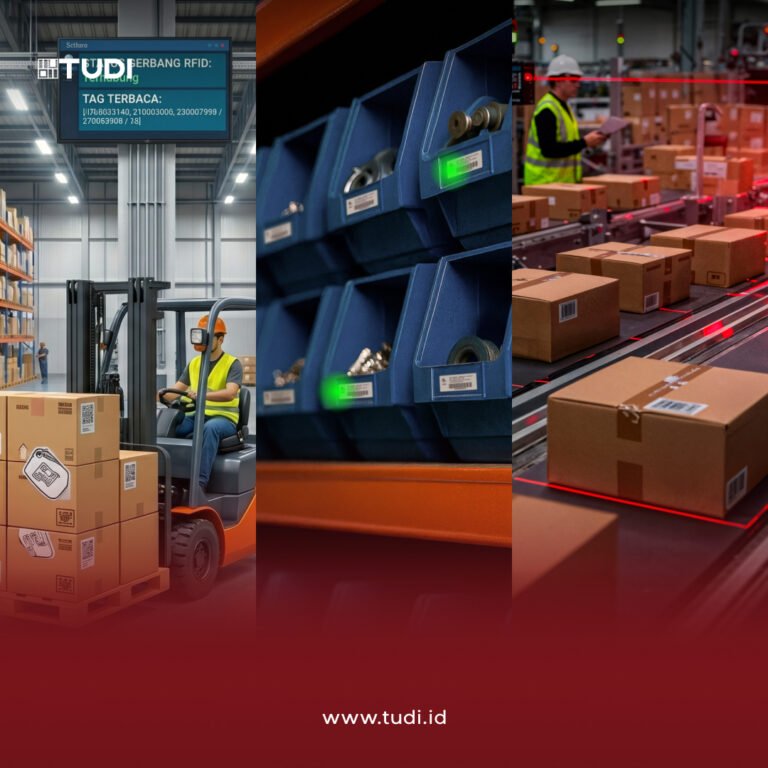
ENCommonly Used UHF RFID Implementation Models: Gate, Shelf, and ConveyorExplore the essential UHF RFID Implementation models: gate, shelf, and conveyor. Learn how UHF RFID Implementation enhances operational efficiency.
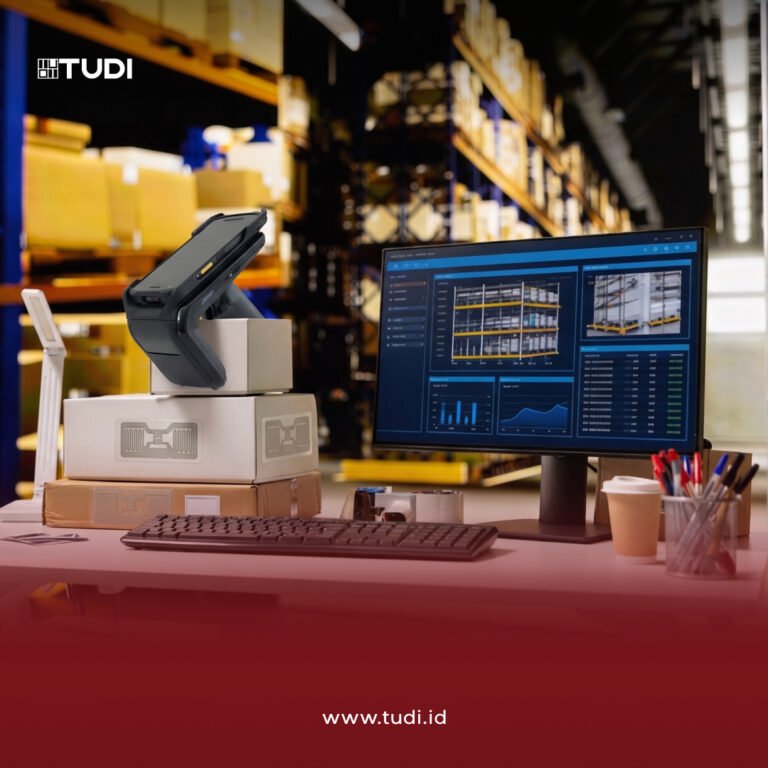
ENWhat Makes a Complete UHF RFID System? Fundamentals and Core Features From Tag to ApplicationDiscover the essentials of a complete UHF RFID System, from tags to applications. Learn how a UHF RFID System enhances business efficiency.
ENHow Passive UHF RFID Tags Work: Power, Backscatter, and Energy FlowPassive UHF RFID is a form of automatic identification technology widely used in modern business operations, particularly in environments that demand speed, accuracy, and efficiency in reading large numbers of items. This technology is commonly applied in inventory, distribution, retail, asset tracking, and various other workflows that require more
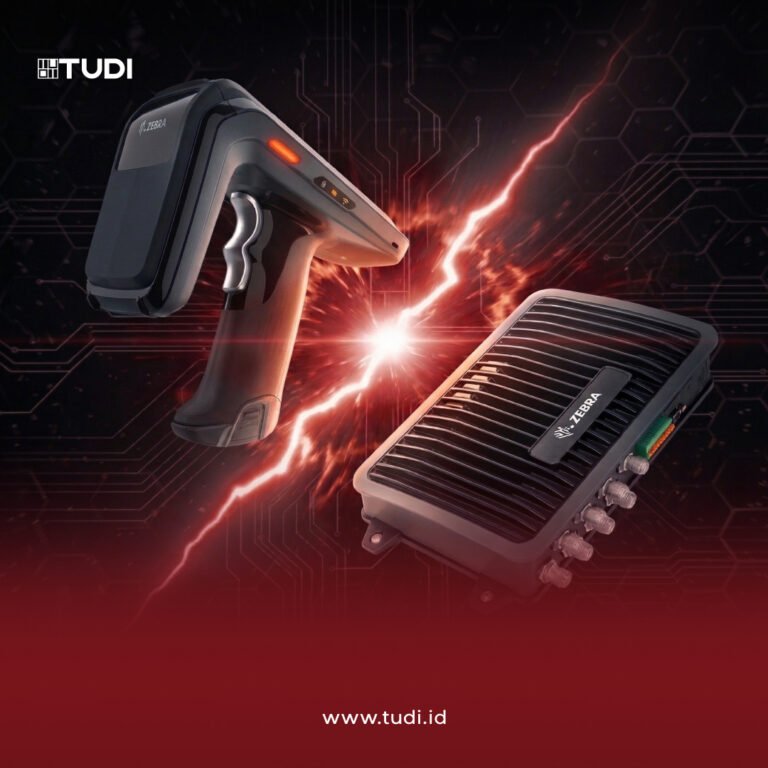
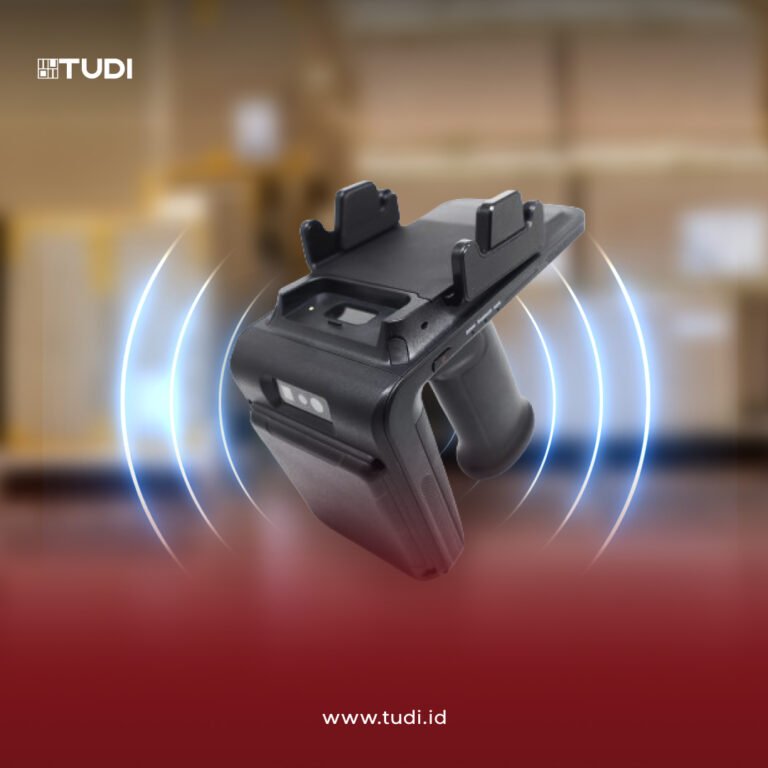
ENHandheld Reader vs Fixed Reader: Definition, Function, How They Work, and Applications?In the implementation of RFID (Radio Frequency Identification) systems, one of the most performance-determining components is the RFID reader. This device is tasked with reading the data stored on the RFID tag and transmitting it to the backend system so that it can be processed into operational information. In business implementation practice, RFID readers are typically divided into two main categories: handheld RFID readers and fixed RFID readers. Both types of devices have the…
EN8 Commonly Used UHF RFID Implementation ModelsIn the implementation of a UHF RFID system, the selection of devices such as readers, antennas, and tags is indeed an important component. However, in operational practice, the success of an RFID system is often more determined by how the system is placed and integrated with the existing workflow. Various sectors such as manufacturing, logistics, retail, and warehousing have different patterns of goods movement. Therefore, RFID implementation usually follows several deployment models…
EN7 Operational Scenarios Unsuitable for UHF RFIDUHF RFID technology is widely known for its ability to read multiple tags at a long distance and without direct contact. In various logistics and manufacturing case studies, UHF RFID is often positioned as a universal solution for asset identification and tracking needs. However, this assumption is not always aligned with actual operational conditions in the field. In practice, the success of an RFID system is not only determined by the technical specifications of the device but also by the…
ENHow RFID Works: Explanation, Function, Components, and TypesIn the era of industrial automation and digitalization, data speed and accuracy are key factors in maintaining operational efficiency. Many companies are starting to abandon manual identification methods because they are no longer able to keep up with the complexity of modern business processes. This is where RFID technology plays an important role as a reliable, flexible, and easily integrated automatic identification solution. To understand its potential optimal application, it is important…
ENRFID Technology: Definition, How It Works, and Future OpportunitiesIn the increasingly rapid era of industrial automation and digitalization, RFID technology has become a critical foundation for building efficient identification and tracking systems. Many companies face challenges in accurately managing assets, stock, and goods movement in real-time. Manual processes are no longer adequate as data volume continues to increase and operational speed becomes a primary demand. It is in this context that RFID technology emerges as a relevant and strategic…
ENWhat is RFID Reader: Definition, Function, Types, How It Works, and ApplicationsIn the era of industrial automation and digitalization, the need for fast and accurate data identification is becoming increasingly important. Many companies are beginning to shift from manual systems to automatic identification technology to increase operational efficiency. One of the key devices in this system is the RFID reader. However, many still wonder, what is an RFID reader and what is its role in the overall RFID system. What is an RFID Reader An RFID reader is an electronic device…
EN7 Important Things Before RFID System ImplementationThe implementation of RFID Systems is often seen as a quick solution to improve data visibility, inventory accuracy, and operational efficiency. However, in practice, many RFID projects fail to achieve optimal results not because of the technology used, but because of a lack of understanding of the operational context and field conditions. An RFID System is not merely about installing a reader and a tag, but is a combination of radio technology, system design, business processes, and the…
EN5 Reasons Why RFID Tags Are More Effective Than BarcodesIn the world of modern operations, data speed and accuracy are crucial factors for business sustainability. For years, conventional barcodes have been used as the standard for item identification. However, as the volume of goods increases and operational flow becomes more complex, the limitations of barcodes begin to be felt, especially in identification processes that demand high speed and efficiency. RFID Tags are present as a more flexible and reliable automatic identification solution…
ENRFID Sensor: Definition, Functions, How it Works, and ApplicationsIn the era of industrial automation and business process digitalization, the need for real-time data identification and monitoring systems is increasing. Companies are required to have accurate visibility into assets, inventory, and goods movement. One technology widely used to meet this need is the RFID sensor. This technology enables the identification process to be fast, automatic, and minimal human intervention. Definition of RFID Sensor An RFID sensor is part of a Radio Frequency…
ENISO Standards in UHF RFID: Definition, Scope, and RoleBehind the successful implementation of UHF RFID in various industries, there is one key element that often escapes attention: the ISO standard. This standard ensures that the RFID system not only works technically but is also consistent, compatible, and ready for use on a global scale. In UHF RFID technology based on EPC, the ISO standard is the main foundation that unites the workings of tags, readers, and application systems in one common technical language. What is the ISO Standard in…
ENRadio Frequency: Definition, Function, How It Works, and Its ApplicationsIn the current era of digital and industrial automation, radio frequency is an important foundation for various communication technologies and automatic identification. From wireless communication systems to RFID, this technology enables data exchange without physical contact. In a business environment that demands speed, accuracy, and efficiency, the utilization of radio frequency helps companies improve operational visibility. It is not surprising that radio frequency is now a key…
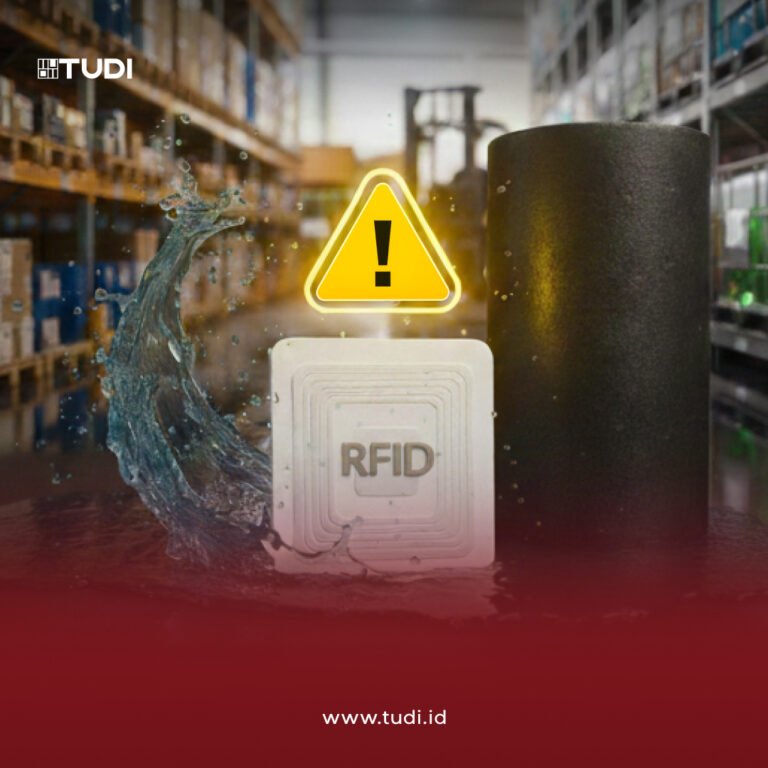
EN5 Materials That Can Interfere with RFID Signals and How to Overcome ThemIn the implementation of an RFID system, the success of tag reading is not only determined by the quality of the reader or antenna. Environmental factors and the materials surrounding the tag also play a large role. Some types of material can cause RFID interference, which hinders reading distance, reduces accuracy, or even makes the tag completely unreadable. Understanding the characteristics of these materials is an important step before implementing an RFID system in the field. Types of…
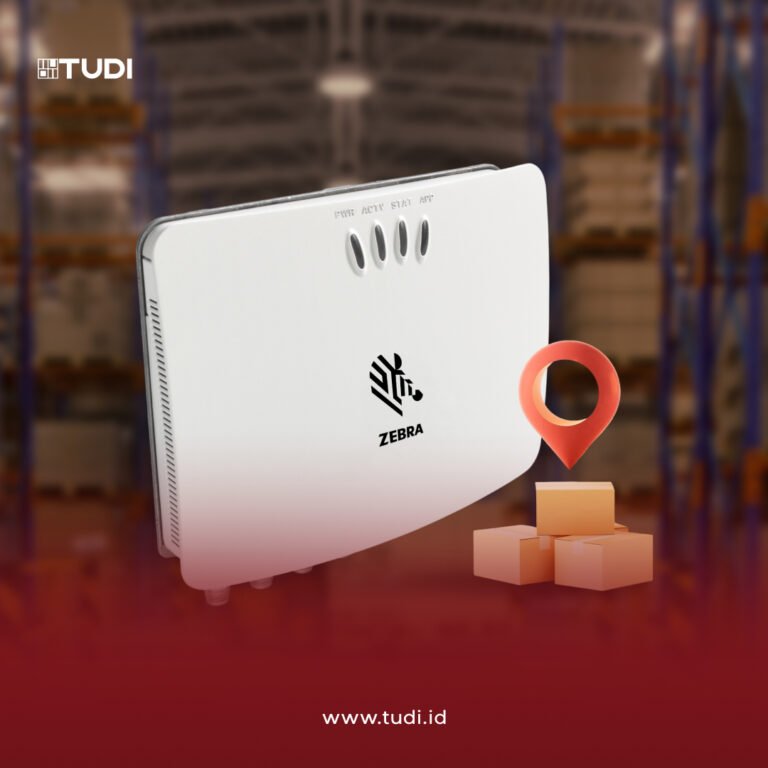
ENRFID Fixed Reader: Definition, Function, How It Works, Advantages, Disadvantages, and ApplicationsIn the era of industrial automation and digitalization, the need for fast and accurate identification systems is increasing. Many companies are now shifting from manual processes to automatic identification technology to improve operational efficiency. One of the key devices in an RFID system is the RFID Fixed Reader, which plays an important role in the process of reading data without human interaction. With permanent installation, the Fixed Reader becomes the main foundation for various…
EN6 Common Misconceptions About RFID Technology and the FactsRFID is often perceived as an instant solution that can solve various operational problems with just one scan. Because it looks modern and practical, many imagine that inventory processes, asset tracking, and stock audits can run automatically without additional preparation. In reality, RFID is not a technology that works without a foundation. RFID is an identification system whose performance is highly dependent on data readiness, discipline in the tag application process, and a clearly…