Industries · Healthcare
Find equipment and account for its movement.
Start with the physical tasks behind care delivery: finding equipment, checking supplies and recording movement. The right identification method depends on the items, environment and systems already in use.
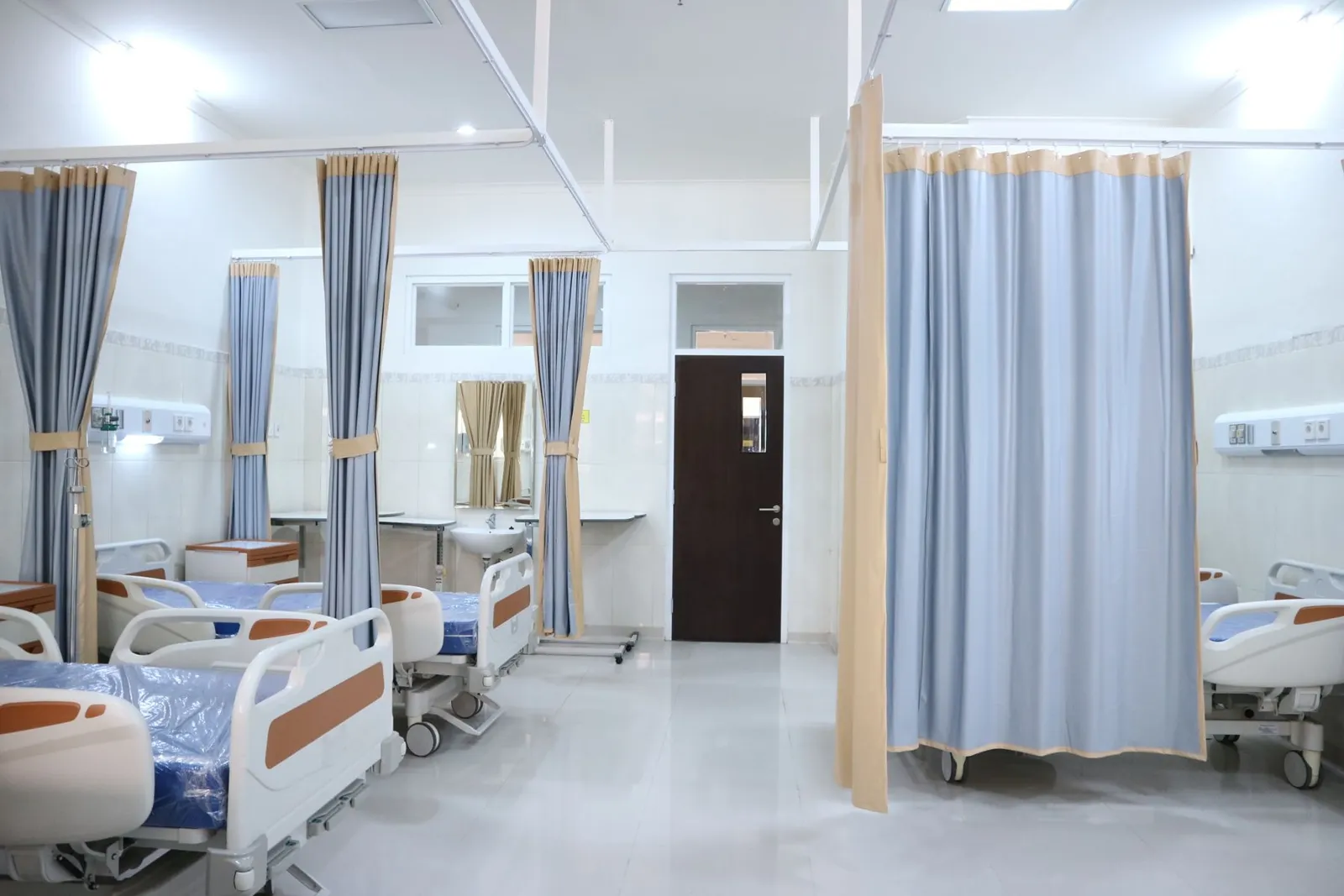
Most equipment searches start as a missing record.
Different symptoms, one cause: no reliable record of where each item is and who has it.
40%
is about how often mobile devices such as pumps and ventilators are in use
1 in 3
nurses spent an hour or more per shift searching for equipment
 Register: 14 pumps · Found: 12
- Equipment no one can findPumps and wheelchairs searched for each shift.
- Supplies counted by handShelf counts take staff away from care.
- Shortages found too lateThe box is empty when it is needed.
- Equipment kept “just in case”Held on one ward, missing on another.
- Handovers without a recordWho has the pump now?
- Linen out, linen backLaundry counts don’t match.
- Asset checks that take daysThe register checked room by room.
- Data in too many placesEvery gap investigated by hand.
From the store room to the ward
 in Healthcare

Each device has a last recorded location, so a search starts from the record, not a walk.
Find equipment screen, Ward 3: 12 of 14 infusion pumps accounted for against the asset register; 2 not read since Monday, last read in ICU. Illustrative figures.
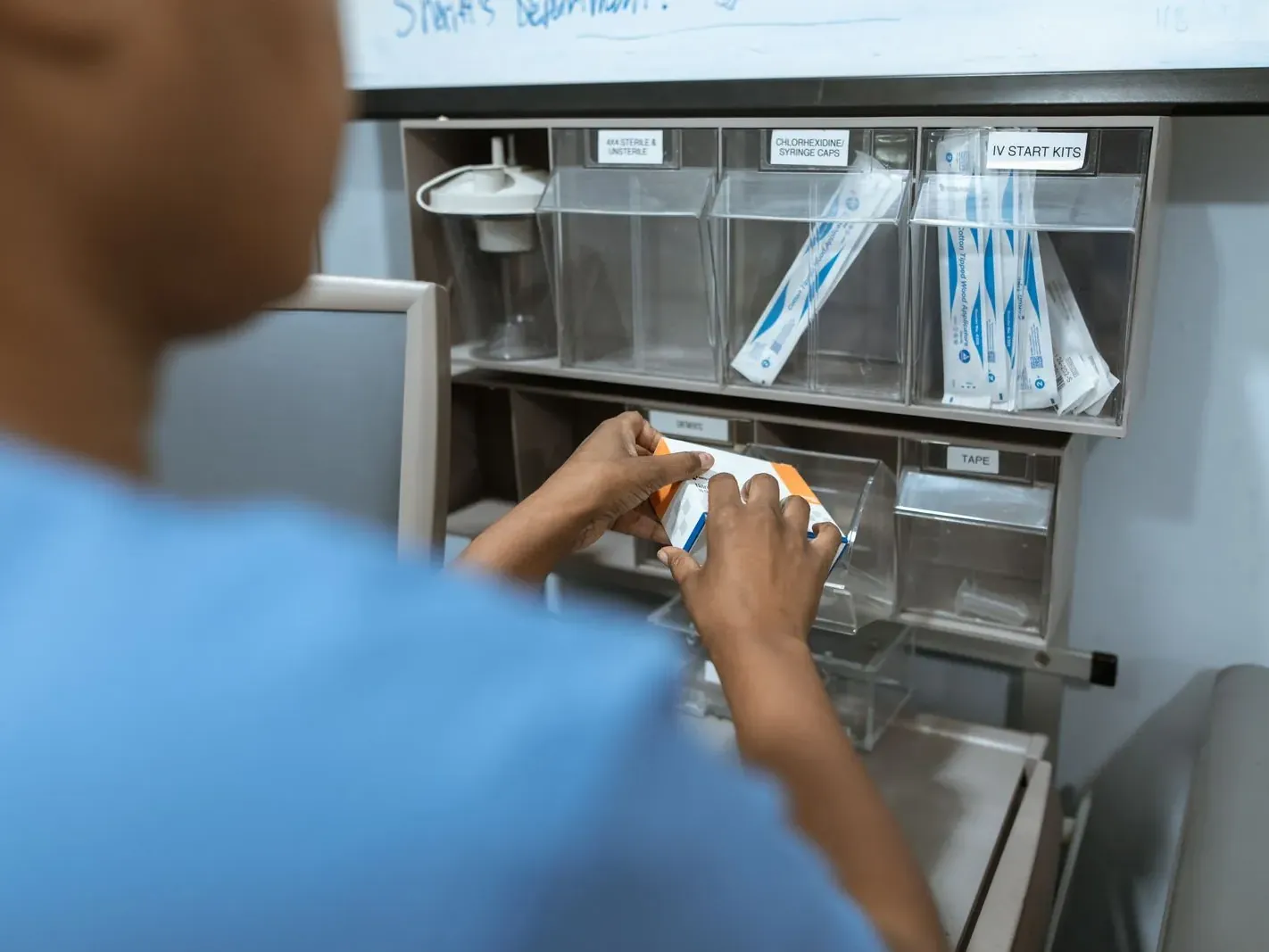
Boxes are counted in one pass against the inventory record, so shortages show before they run out.
Count supplies screen, store room 2: 118 of 120 boxes read in one pass; IV start kits 2 short. Illustrative figures.
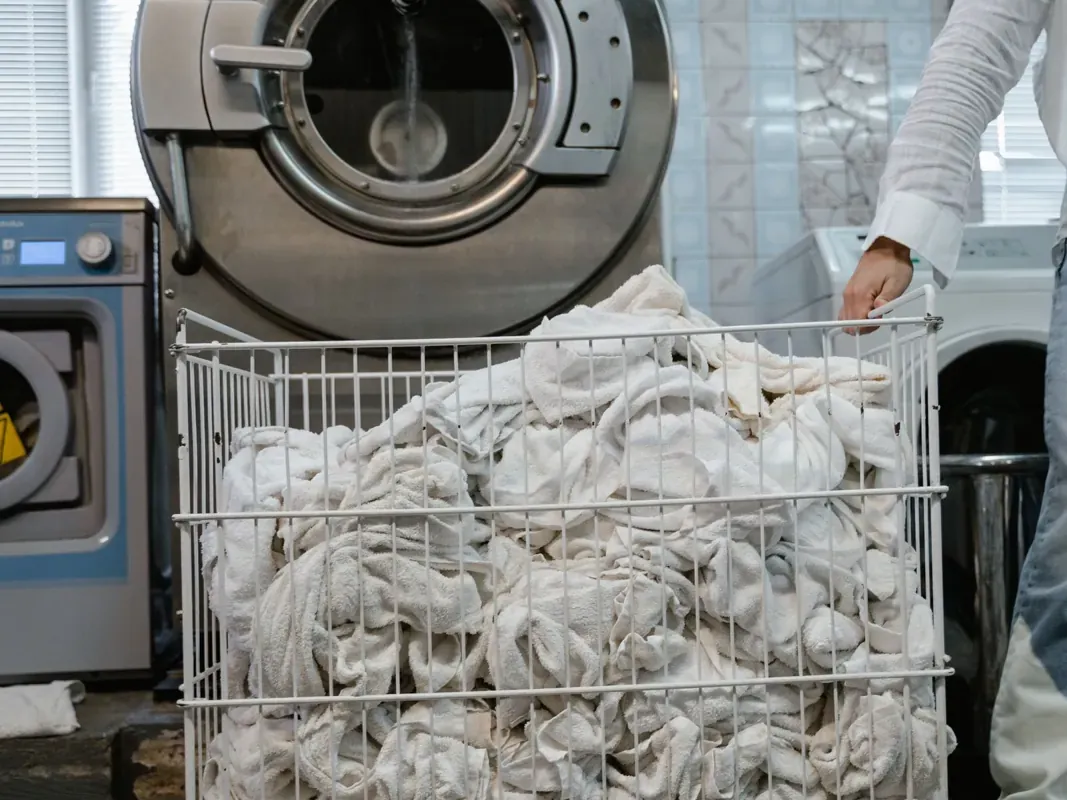
Every cart is counted in and out, and every handover is confirmed.
Linen and handovers screen: cart L-07 brings 120 of 124 items back from the laundry; 4 still at the laundry. Illustrative figures.
Equipment, supplies and linen in one record; patient data stays out of it.
Overview screen, Ward 3 today: equipment 12 of 14, supplies 118 of 120, linen 120 of 124, 6 handovers confirmed. No patient data. Illustrative figures.
Technology
RFID tagsDoor readers
Technology
RFID handheldBarcode
Technology
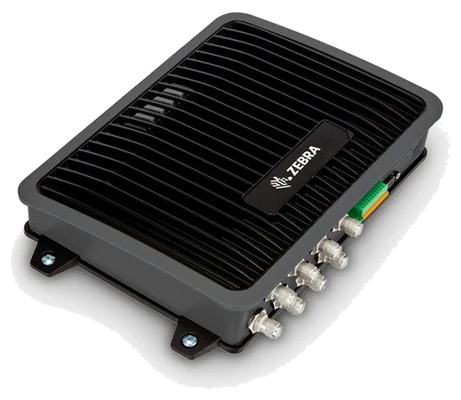
RFID linen tagsReader
Technology
All through DERAS
Example flow and illustrative screens. Capture points, technology and integration are confirmed per project after assessment.
What it takes, stage by stage.
- 1Find equipment
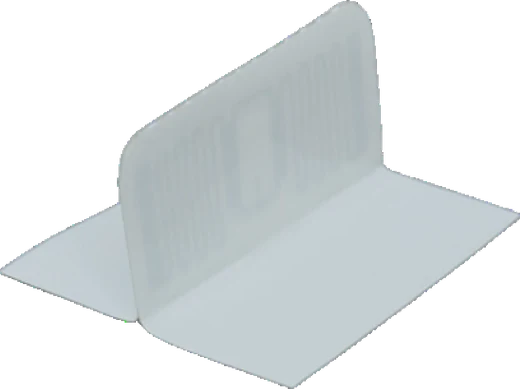 RFID equipment tagsLast recorded location per item
- 2Count supplies
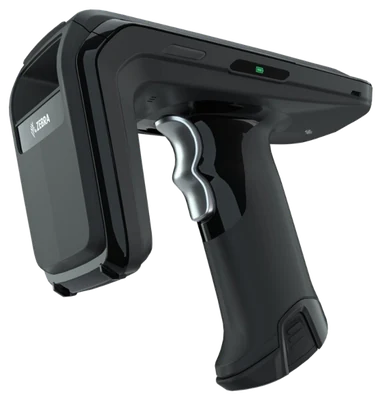 RFID handheldBoxes counted against stock
- 3Linen and handovers
 RFID linen tagsEvery cart counted in and out
- 4Overview
 TUDI app on DERASPatient data stays out
Every stage also needs
- Network and power at the readers
- Tags tested on the real equipment and cleaning
 DERAS, linking every stage
How a project runs
- 1Assess
Pick one item group and one location; find where the record breaks.
- 2Design
Choose the device type per stage; barcode where it is enough.
- 3Supply & deploy
Install, tag and test on your real equipment, packaging and laundry.
- 4Integrate
Connect through DERAS to your WMS or ERP, when you need it.
- 5Pilot & measure
Start with one ward or one store room, measure against the baseline, then expand.
- 6Support
Training, tuning after go-live, ongoing support.