
Technology fundamentals
GPS
The Global Positioning System (GPS) lets a receiver calculate where it is from radio signals sent by satellites. The satellites broadcast timing and orbit information; the receiver uses those signals to work out its own position and time.
The wider GPS system also includes ground control stations. This explanation follows satellite signals through a GPS receiver to an application. Sending the resulting position to a remote service requires a separate communication link.
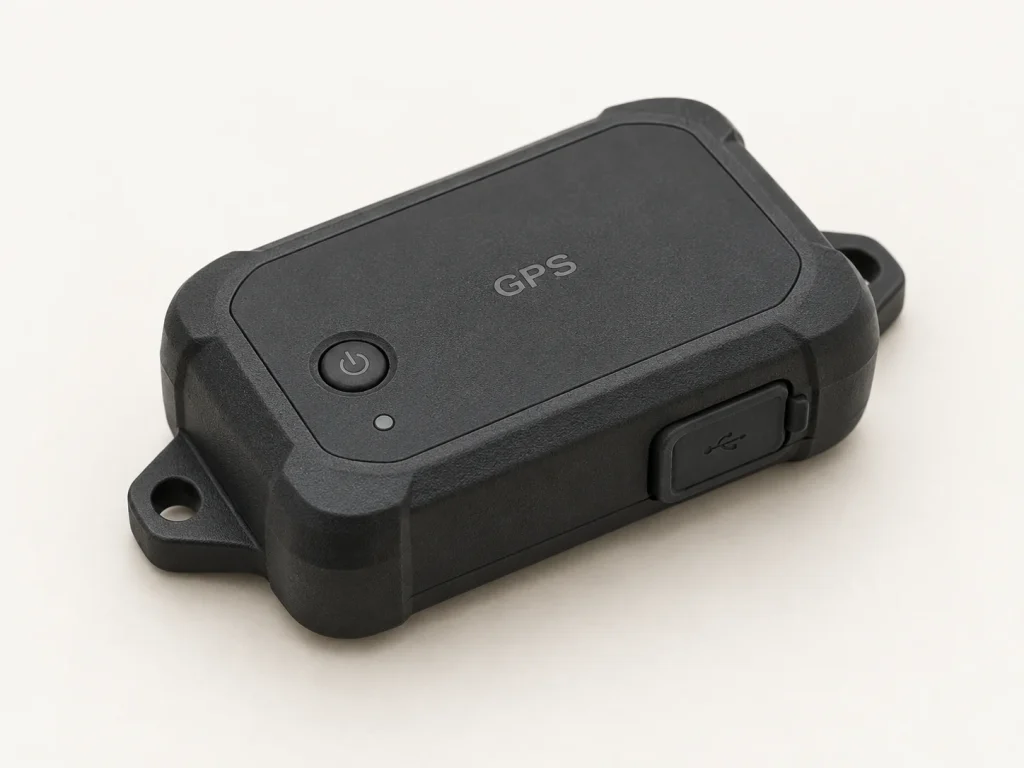

Global Positioning System
Main components.
Satellites
Broadcast radio signals containing timing information and data describing their orbits.
Antenna
Receives the satellite radio signals and feeds them to the receiver.
Receiver or module
Uses its own power to process the signals and calculate position and time.
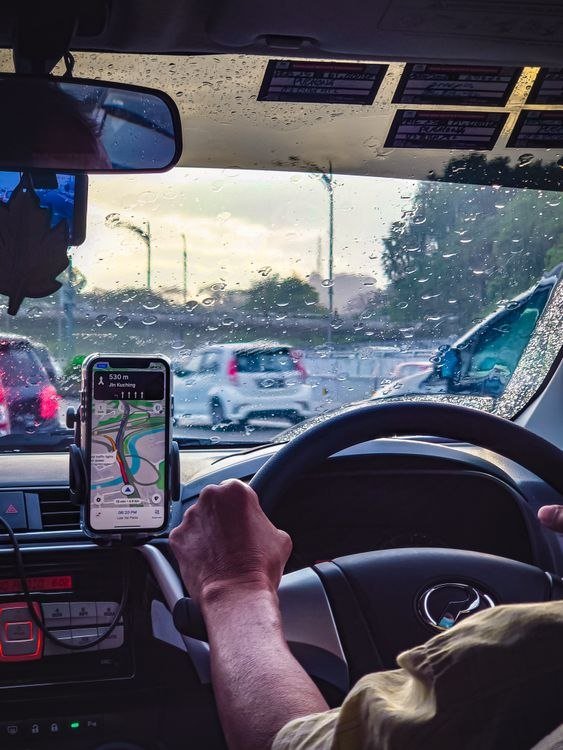
Application
Receives the calculated information from the receiver and presents or uses it.
Signal travel time
How it works.
GPS works by measuring signal travel time. Because radio signals travel at a known speed, their timing helps the receiver estimate its distance from satellites whose positions can be calculated from the broadcast orbit information.
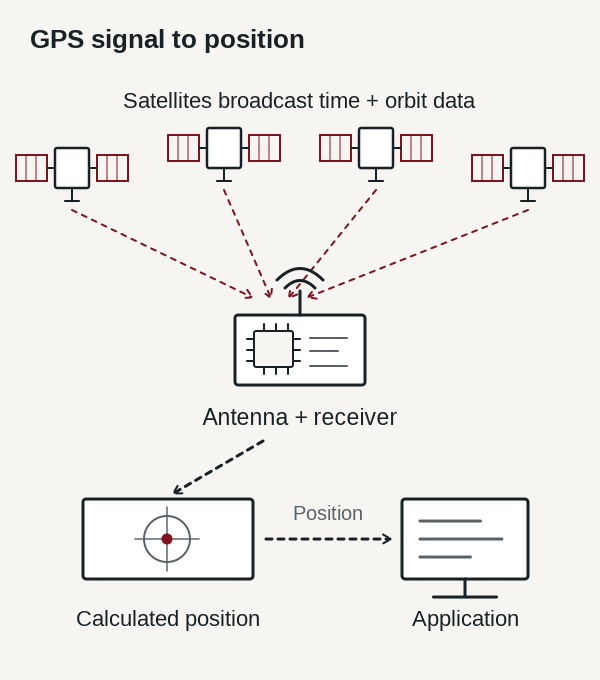
Satellites broadcast
Each satellite sends a timed radio signal with orbit information. The signal travels toward receivers on Earth.
The antenna receives
The antenna collects signals from satellites in view. The powered receiver processes these incoming signals.
The receiver measures timing
The receiver uses the signal timing to estimate distances to several satellites. Its calculation also accounts for the receiver clock’s offset.
A position is calculated
For a typical standalone three-dimensional fix, the receiver combines distance estimates from four or more satellites with their positions to solve for its own position and clock offset.
Information reaches the application
The receiver passes its calculated information to software in the device. A separate communication link is needed if that software reports the position elsewhere.
Position and time
What information does it produce?
A receiver can provide a calculated position and time. The available fields depend on the receiver; the values below only show what an application might receive.
Example data
Position: 6.20° S, 106.82° E
Time: 12:00:00 UTC
An application can use the coordinates to place a point on a map. GPS reception and the application’s later storage, display or transmission are separate steps.
Satellites send signals to the receiver; they do not receive its location through GPS. Reception conditions and the receiver affect the position calculation, so the example is not a precision claim.