
Resources
Technology fundamentals
Understand RFID, Barcode, GPS, Bluetooth Low Energy and NFC: the components involved, how each technology works and the information it produces.
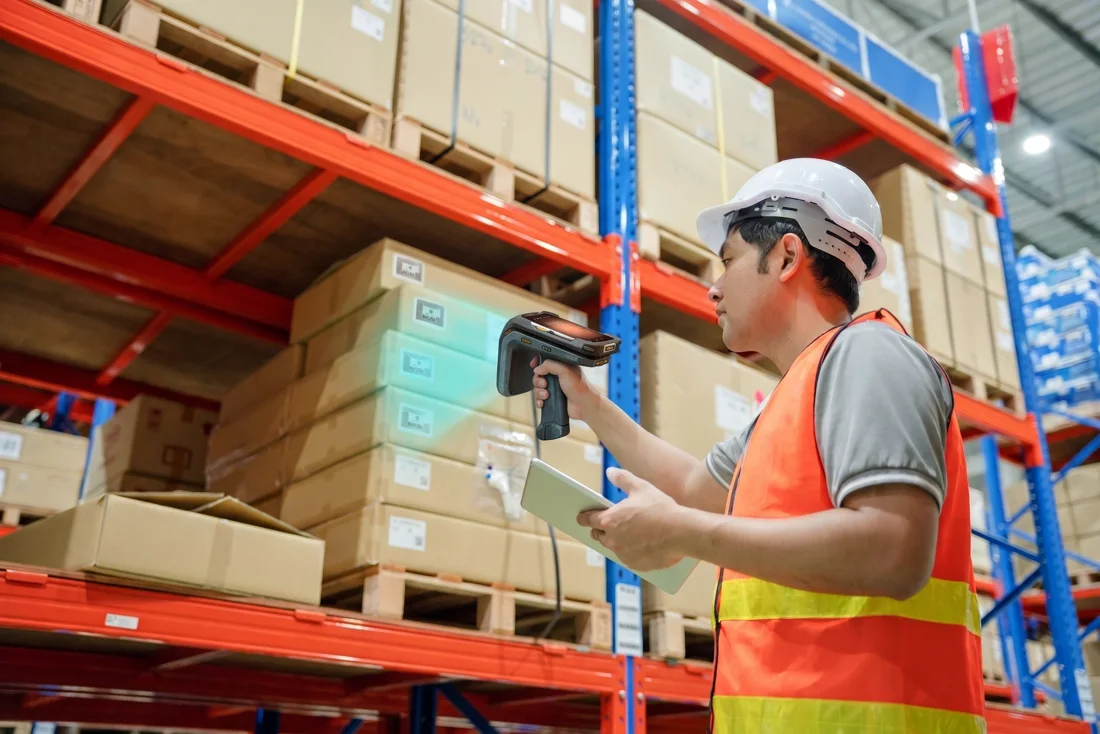
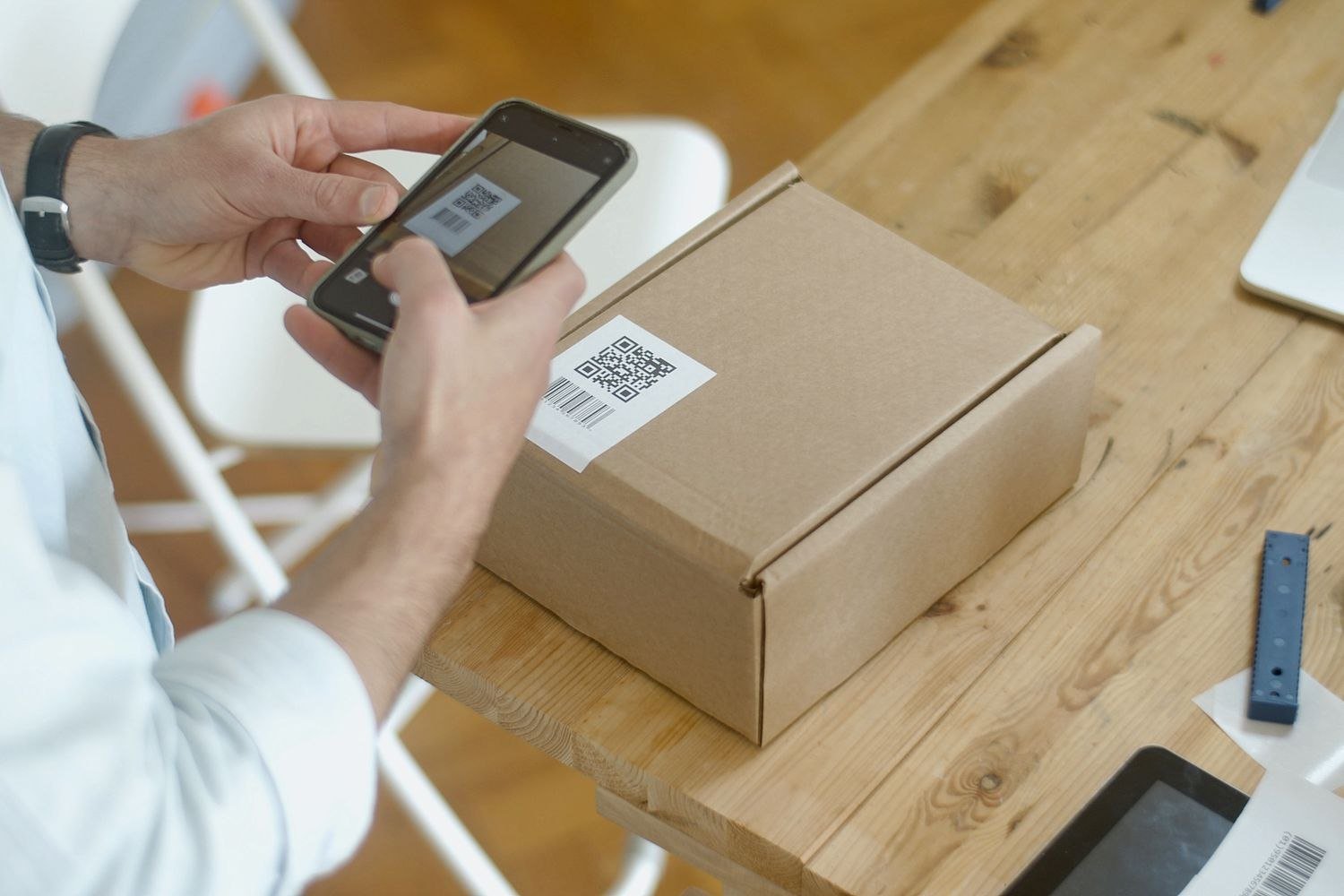
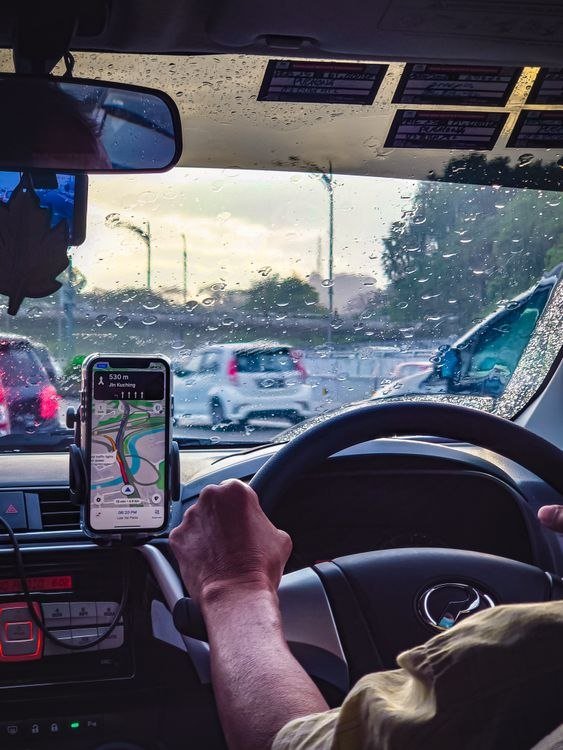
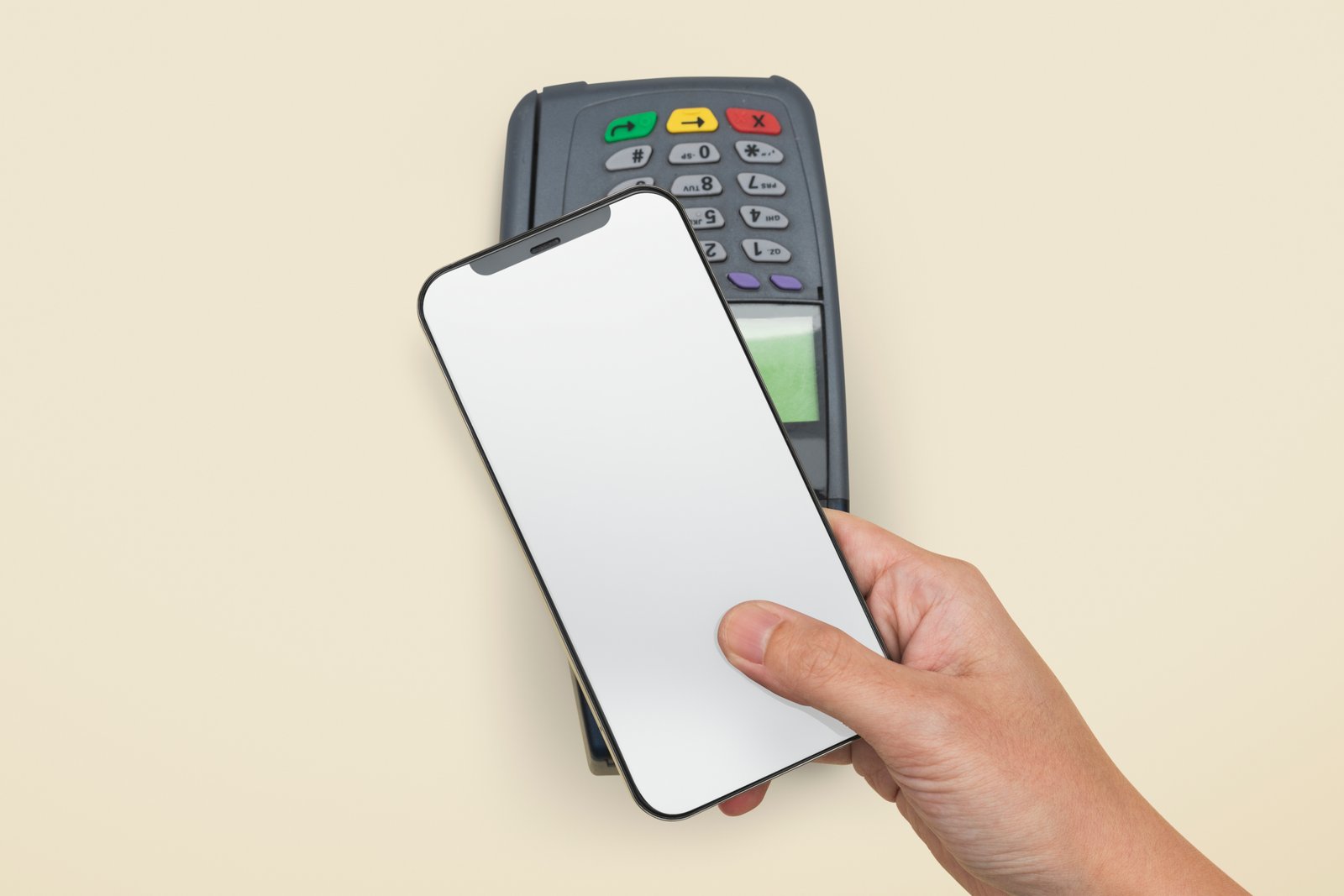
RFID · Barcode · GPS · BLE · NFC
Explore the technologies.
Start with any technology. Main components, how each one works, and the information it produces.
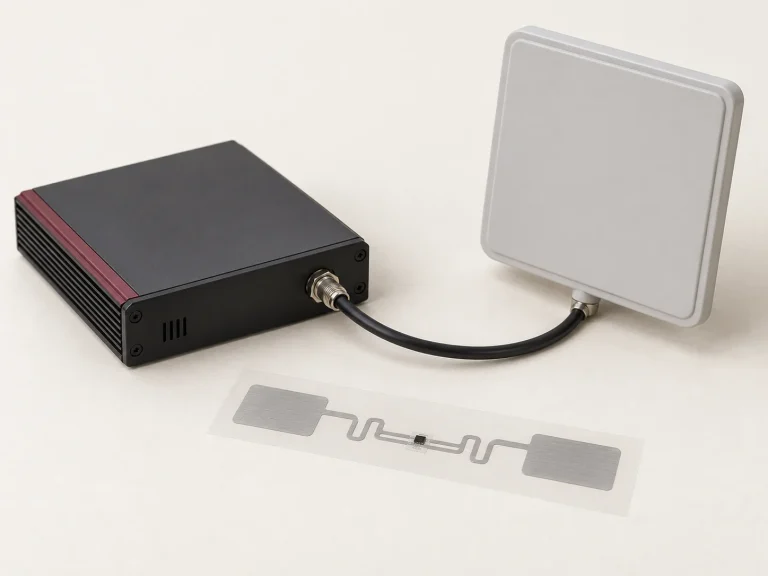
RFID
Radio Frequency Identification (RFID) uses radio waves to exchange identifying data between a tag and a reader.
Learn more
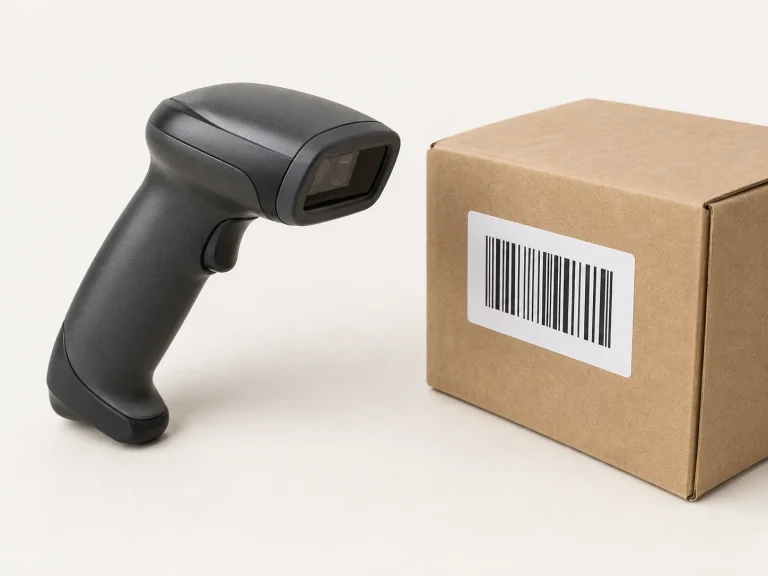
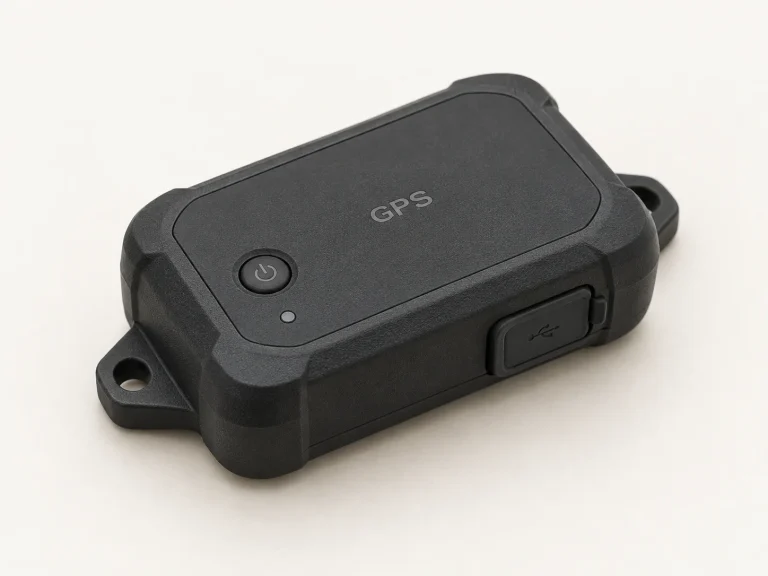
GPS
The Global Positioning System (GPS) lets a receiver calculate where it is from radio signals sent by satellites.
Learn more
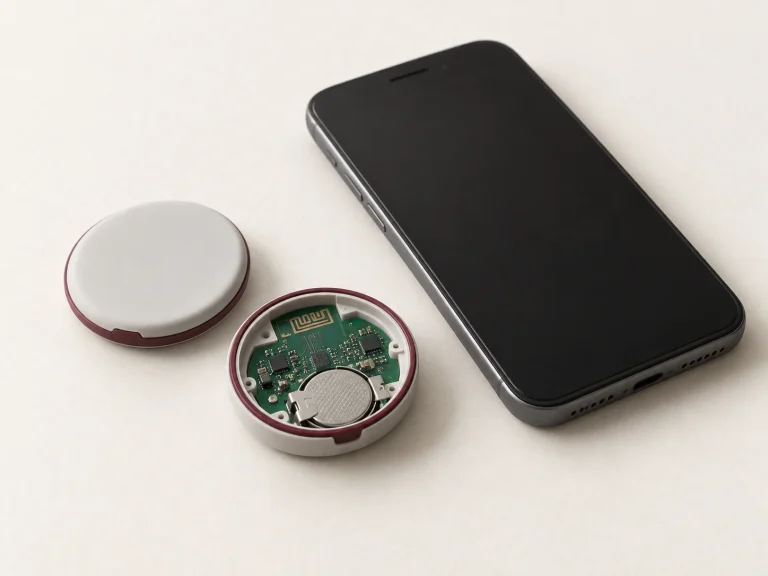
BLE
Bluetooth Low Energy (BLE) lets powered devices exchange information by radio in the 2.4 GHz band.
Learn more
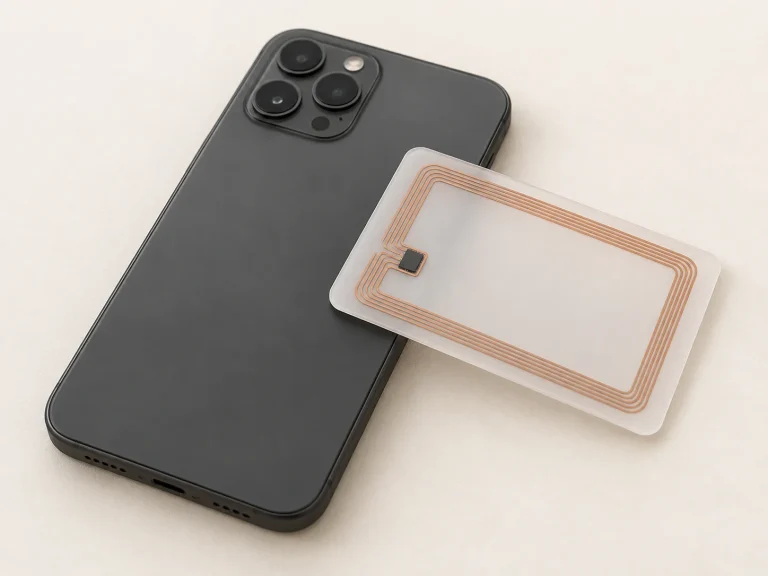
NFC
Near Field Communication (NFC) exchanges information between nearby devices using a 13.56 MHz field.
Learn more
Common path
From signal to software.
All five work the same way: something carries the information, a device captures it, and software receives it.
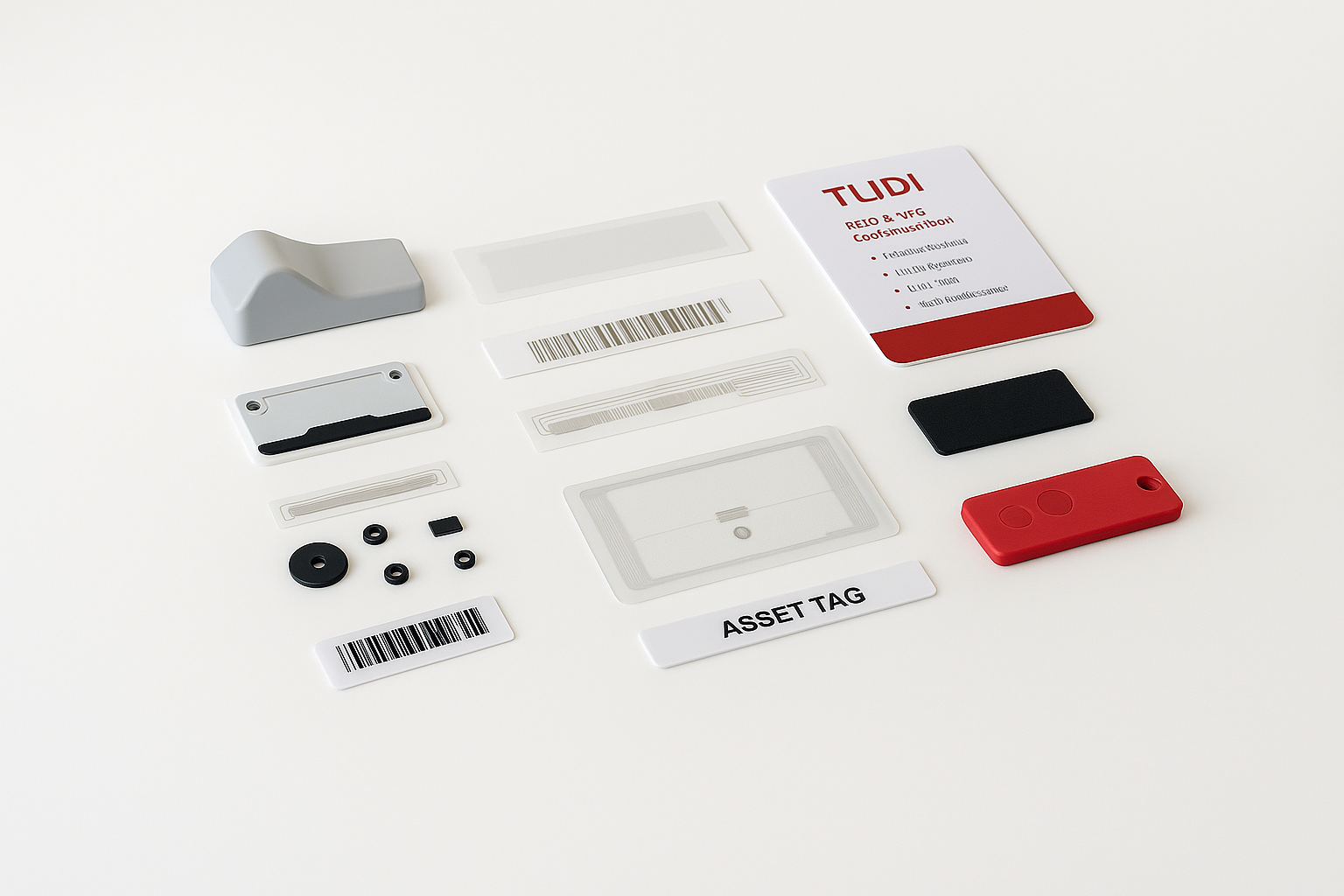
Something carries the information
A tag, a printed symbol, a satellite signal or a broadcasting device holds or sends the data.
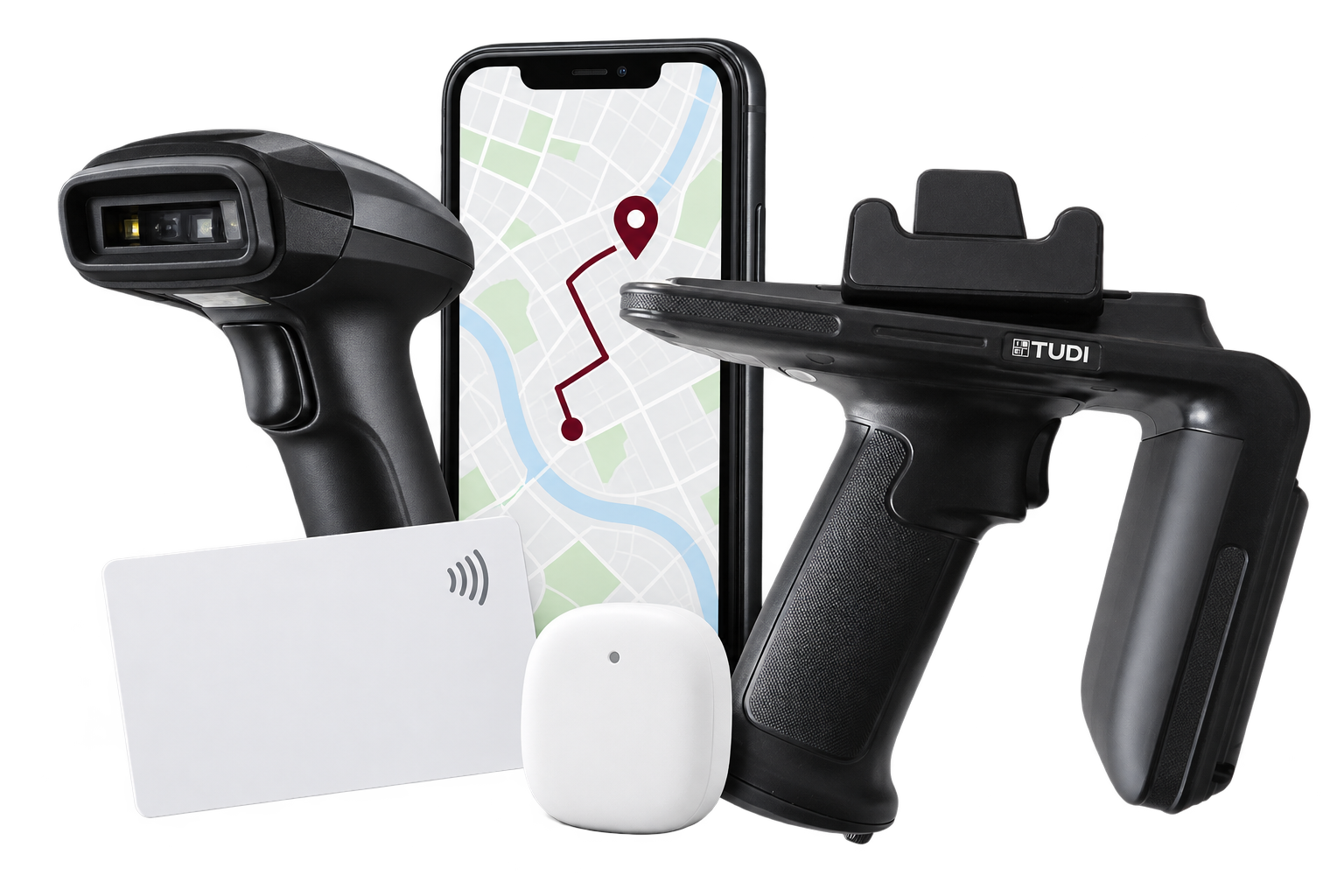
A reader or receiver captures it
A reader, scanner or receiver picks up the signal, then decodes it or calculates a result from it.
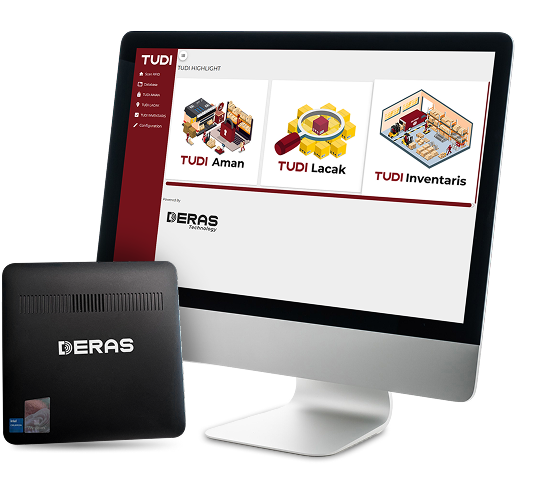
Software interprets it
The application receives the result and decides how to use it. Capturing, interpreting and acting on data are separate stages.
Example data
What each technology produces.
What each technology hands to your software, side by side.
Example data
Technology
Data
rfid
Example identifier: TAG-001
barcode
Example decoded value: ITEM-001
gps
Position: 6.20° S, 106.82° E · Time: 12:00:00 UTC
ble
Identifier in the message: Beacon A-01 · Status in the message: Ready
nfc
Content type: Text · Decoded content: Item A-01
Example values only. Real output depends on the device and how it is configured.
Side by side
Compare at a glance.
A quick comparison. Actual behaviour depends on the device, its configuration and the environment.
Technology
Carries the information
Energy source
Produces
RFID
Radio waves; passive UHF uses the 860–930 MHz band
The tag uses the reader’s radio energy; no battery
Decoded tag data, such as an identifier
GPS
Timed radio signals broadcast by satellites
The receiver uses its own power
A calculated position and time
BLE
Advertising packets in the 2.4 GHz band
Both devices need power, from a battery or another supply
A received message, such as an identifier or status
NFC
A 13.56 MHz field at close range
A passive tag uses energy from the reader’s field
Stored content, such as a text record