RFID, explained for real decisions.
Explore TUDI articles on readers, tags, system design and implementation.
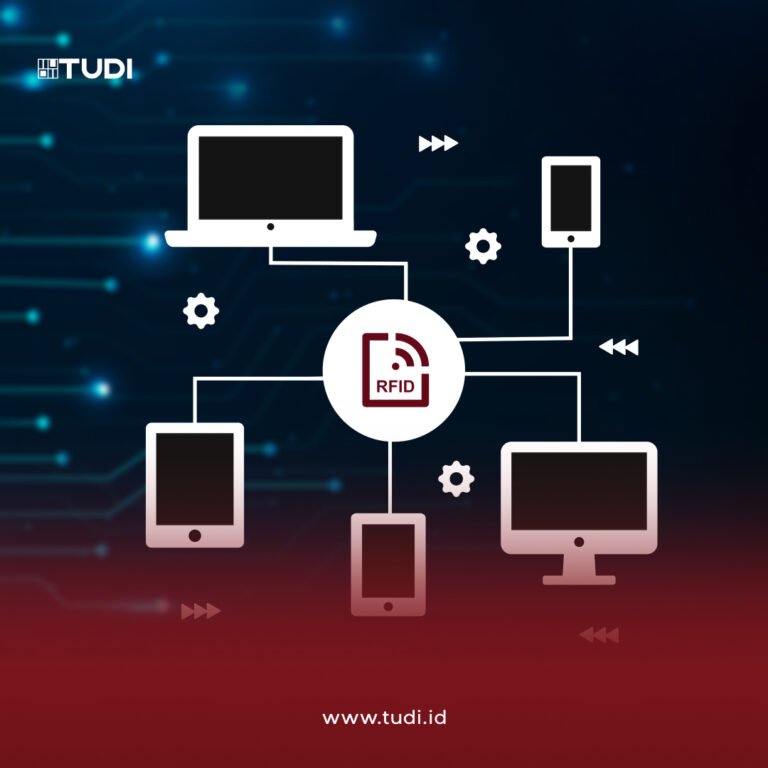
ENRFID Protocol: Definition, Function, How it Works, and Its Role in System IntegrationIn the era of rapid automation and data digitalization, RFID technology does not only rely on hardware such as tags and readers. One crucial element that is often overlooked is the Protocol, which is the communication rule that ensures identification data can be read, transmitted, and integrated with other systems accurately. Without the right protocol, the RFID system is at risk of becoming fragmented and difficult to develop. Therefore, understanding the Protocol is an important foundation…
ENGPIO in RFID: Definition, Functions, How It Works, and ApplicationsIn the era of automation and modern security systems, RFID no longer stands alone as an identification technology. RFID systems are now combined with various supporting devices to create automated responses to specific events. One of the key components in this integration is GPIO in RFID, which allows RFID readers to connect directly with devices such as buzzer alarms, IP cameras, and other control systems, as implemented in the Loss Prevention solution. Definition of GPIO in RFID GPIO stands for…
ENRFID Asset Tracking: Definition, Components, How It Works, and ApplicationIn many industries, assets are a critical part of daily operations. However, without a proper tracking system, companies often face asset loss, inaccurate records, and increased operational costs. RFID Asset Tracking comes as a modern solution to automatically and real-time monitor asset movement and status, ensuring full visibility of critical assets across the entire operational chain. Definition of RFID Asset Tracking RFID Asset Tracking is an asset tracking system that uses RFID…
ENRFID SDK: Definition, Functions, Components, and Implementation TimelineIn the development of modern RFID systems, hardware such as readers and antennas are not the only important components. For these devices to connect with applications, software, and business workflows, a bridge is needed that allows developers to flexibly control the reader and process tag data. This element is known as the RFID SDK, a crucial component in the integration and development of RFID solutions. Definition of RFID SDK An RFID SDK (Software Development Kit) is a collection of…
ENRFID Metal Tag: Definition, Functions, How It Works, and ApplicationsIn RFID implementation, metal surfaces often pose challenges because they can reflect, absorb, or interfere with RF signals. To overcome this, RFID metal tags, also known as on-metal tags, are used. These are special types of tags designed to operate optimally when attached to metal. This technology is increasingly used in industries with metal-based assets such as manufacturing, construction, logistics, and energy. Definition of RFID Metal Tag An RFID metal tag is an RFID tag specifically…
ENTID RFID: Definition, Functions, How It Works, and Its ApplicationsIn the RFID world, the existence of EPC often becomes the main focus as the data used by systems to identify items. However, behind EPC lies another component that is equally important: TID RFID (Tag Identifier). This element provides a permanent identity for each RFID chip and forms the foundation for security, authenticity, and reliability within RFID systems across various industries. This article thoroughly discusses what TID RFID is and how it plays a role in the automatic identification…
ENHost System in RFID: Definition, Functions, and How It WorksIn the RFID ecosystem, reading a tag is only the first step in the data automation process. For all the information captured by readers to be useful for operations, analytics, or decision-making, a central system is needed to collect, process, and present the data in an integrated manner. This system is known as the host system, a crucial component that ensures RFID data truly delivers value to the business. Definition of Host System in RFID A host system in RFID is the central system that…
ENRFID Stocktaking: Definition, Components, How it Works, and ApplicationsStocktaking is a crucial activity to ensure that physical inventory matches the data recorded in the system. In many companies, this process is still done manually or using barcodes, which is time-consuming, error-prone, and often disruptive to operations. With technology, RFID, the stocktaking process can be done much faster, more accurately, and without stopping warehouse or shop activities. Understanding Stocktaking with RFID RFID stocktaking is an inventory counting method that utilizes…
ENRFID Middleware: Definition, Function, How it Works, and ApplicationsIn any operational-scale RFID implementation, the presence of middleware (RFID middleware) is key to translating reader-generated data into usable information. Without middleware, RFID data is simply raw, repetitive, unstructured signals lacking processing context. Middleware ensures the entire RFID flow is efficient, accurate, and integrated with business systems such as WMS, ERP, POS, or MES. Understanding RFID Middleware To understand how RFID data can be processed automatically, we need…
ENEPC RFID: Definition, Function, How it Works, and ApplicationsIn the modern RFID world, especially in the retail, logistics, and manufacturing industries, EPC is the most crucial element in ensuring each item can be identified with high accuracy. EPC not only provides a digital identity to items but also enables automated, real-time inventory tracking and management. A thorough understanding of EPC helps companies build more precise and efficient RFID systems. Understanding EPC RFID In order to optimize RFID utilization, it is important to understand…
ENRFID Inventory Management: Definition, Function, How it Works, and ApplicationsIn many retail, logistics, and manufacturing businesses, the difference between system stock and physical stock often leads to hidden costs and poor decisions. RFID Inventory Management offers a unique identity-based approach for each item to prevent mismatched stock, improve recording accuracy, and speed up daily operational processes. Definition of RFID Inventory Management Before we get into implementation, it's important to first understand the basic concept. RFID inventory management is…
ENHandheld Reader vs. Fixed Reader: Definition, Function, How It Works, and ApplicationsIn the era of logistics and manufacturing automation, selecting the right RFID reader directly impacts data accuracy, processing speed, and implementation costs. The two most common options are handheld readers and fixed readers. Understanding the differences between handheld and fixed readers helps businesses balance flexibility in the field with consistent reading performance at critical operational points. Pengertian Handheld Reader vs Fixed Reader This section discusses the definitions of…
ENShrinkage Solution with RFID: Definition, Process, and ApplicationsIn the fast-paced retail and logistics era, inventory shrinkage is a major challenge, squeezing margins and compromising inventory accuracy. Losses can arise from theft, administrative errors, and even damaged goods. UHF RFID technology offers item-level visibility and process automation, helping to more accurately detect, prevent, and analyze shrinkage. Understanding Shrinkage Shrinkage is the negative difference between actual stock and actual stock due to factors such as internal theft,…
ENCycle Counting with RFID: Definition, How it Works, and ApplicationsIn logistics, manufacturing, and retail, accurate inventory data is the foundation of operational efficiency. One common method used to ensure accurate stock data is cycle count, which is the process of periodically counting some stock items to ensure consistency between system data and physical conditions. However, manual methods such as barcode scanning are often slow and have a high risk of human error. Technology UHF RFID (Ultra High Frequency Radio Frequency Identification) present as a…
ENRFID Software: Definition, Functions, Components, How It Works, and Its ApplicationsIn the era of automation and supply chain visibility, RFID software acts as a central control that transforms signals from RFID devices into actionable operational information. Without the right RFID software, projects often fail to deliver consistent business benefits. Definition RFID software is a suite of software that receives reading data from readers and antennas, performs normalization, filtering, and deduplication, and then forms relevant events for business processes. The results…
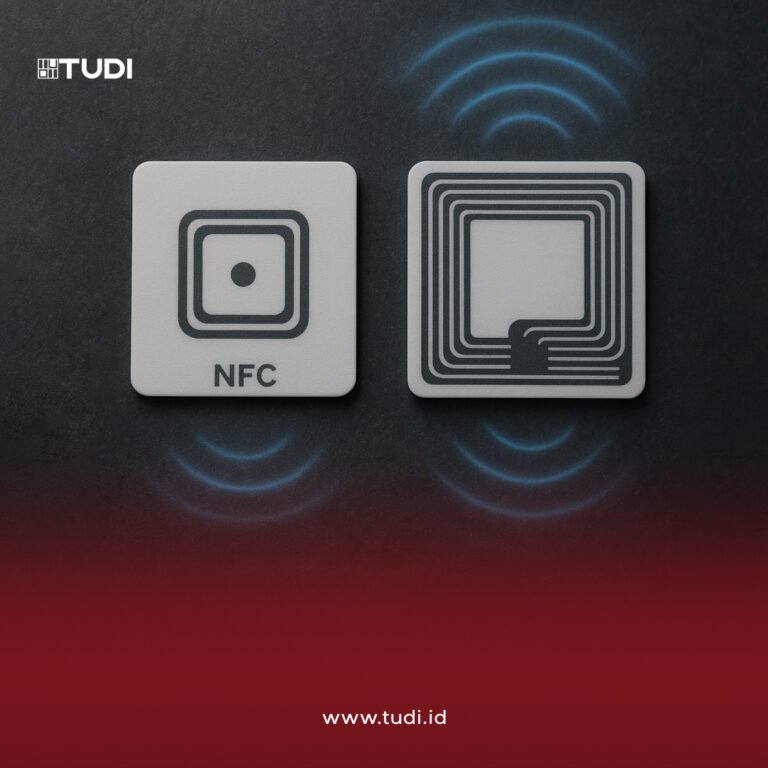
ENUHF vs NFC RFID: Definition, Function, How It Works, and ApplicationsAmidst the need for supply chain visibility and a streamlined user experience, selecting the right RFID technology is key. Comparison UHF vs NFC often arises when businesses weigh read distance, speed, ease of integration, and usage scenarios. This article presents the differences, functions, components, how they work, advantages, disadvantages, and applications. UHF vs NFC so you can choose the most appropriate technology. Understanding UHF vs NFC UHF and NFC are both part of RFID…
ENPassive RFID: Definition, Function, How it Works, Advantages, Disadvantages, Components, and ApplicationsIn the modern era of automation, the need for fast and accurate tracking is key to operational efficiency. Passive RFID It offers contactless, automatic identification with competitive implementation costs and broad coverage. This technology is increasingly relevant in various industries that demand real-time visibility, precise inventory control, and seamless processes. This article discusses its definition, function, components, how it works, advantages, disadvantages, and applications….
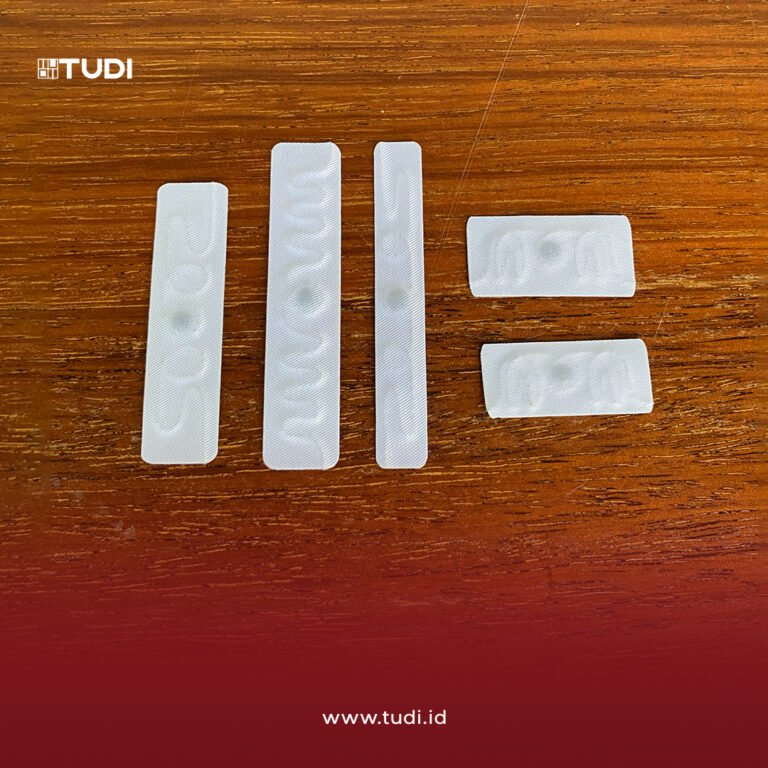
ENRFID Linen: Definition, Tag Types, How It Works, Advantages, Disadvantages, and ApplicationsIn industries that rely on high textile volumes, such as hospitality and healthcare, linen management is a complex operational challenge. Manual methods often lead to asset loss, counting errors, and inefficiencies in the laundry process. The use of RFID linen tracking comes as a modern solution to overcome this problem, enabling automatic and accurate tracking at every cycle. Understanding RFID Linen System RFID Linen is the application of technology Radio Frequency Identification…